An affordable student-loan repayment plan is now available to more borrowers.
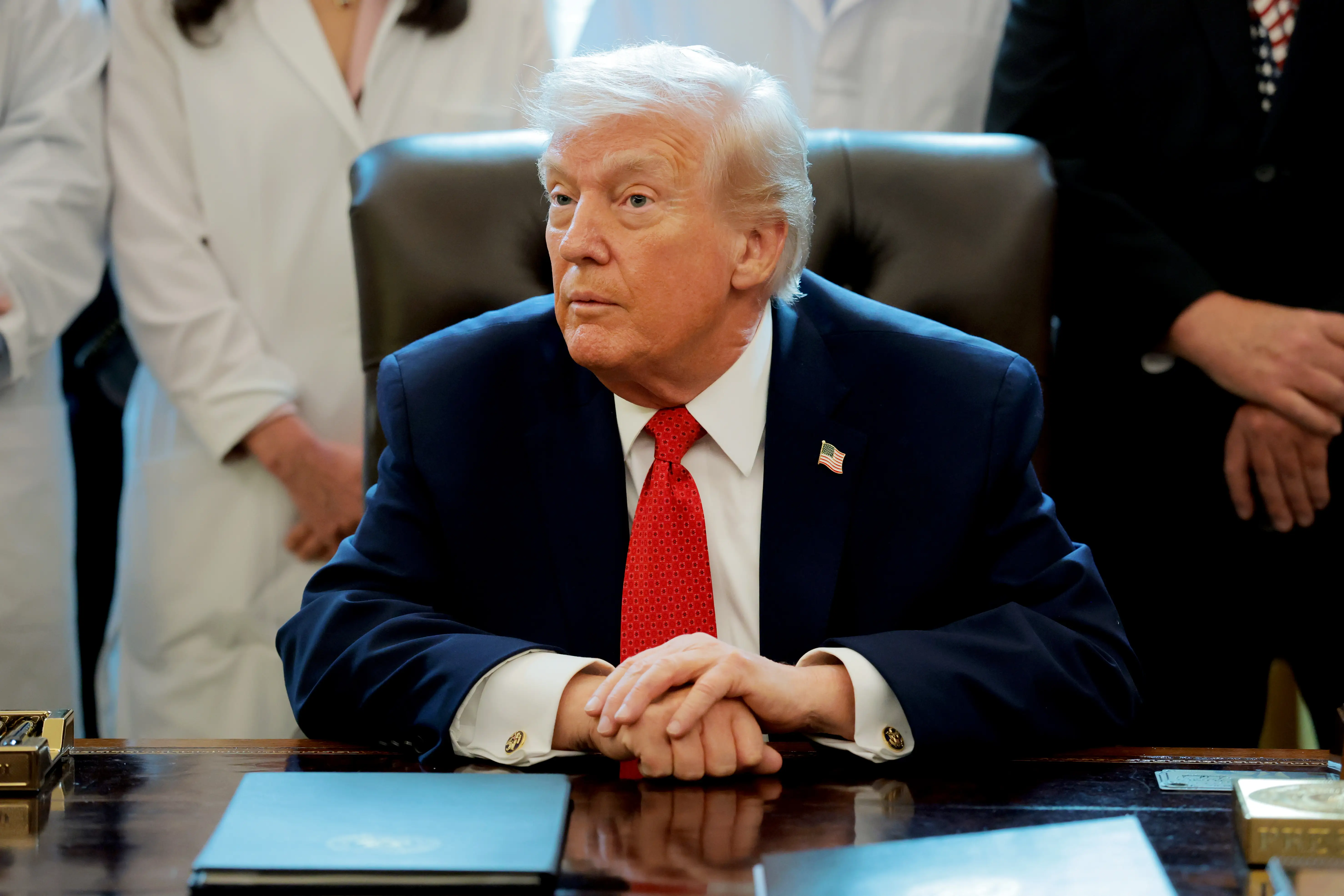
On December 22, President Donald Trump’s Department of Education said that it had completed a key update to income-based repayment plans, removing the requirement to be in partial financial hardship to enroll.
Trump’s “big beautiful” spending legislation included a provision to remove the financial hardship requirement, which meant that the borrower’s monthly payment had to be less than the amount needed to pay off their full balance over a 10-year period.
Now that the update is complete, borrowers with higher incomes should soon become eligible to enroll in IBR plans. The department said that it encourages borrowers who were previously denied from IBR plans due to a lack of partial financial hardship to reapply using the online income-driven repayment application.
“If you applied for IBR and your servicer is holding your application, your servicer will process your application in the order in which it was received,” the department said.
Business Insider wants to hear about the challenges, successes, and unique experiences you’re facing with your student loans. Do you have a story to share? Please fill out this form, and we’ll be in touch.
Read more of our student-loan coverage:
- Student-loan borrowers are gearing up for higher monthly payments after Trump moves to ax their affordable plan: ‘I’m bracing for an astronomical bill’
- How Trump’s big spending bill will overhaul repayment for millions of student-loan borrowers
- Student-loan forgiveness is back — and they got up to $70K wiped out: ‘I can actually live my life’
IBR plans give borrowers monthly payments based on their incomes, with student-loan forgiveness after 20 or 25 years, depending on when they first took out the loan. Specifically, borrowers who took out loans before July 1, 2014, will receive IBR payments based on 15% of their income with a 25-year repayment period. Borrowers who took out loans after that date will receive payments based on 10% of their income with a 20-year repayment period.
After a backlog of IBR application processing, the Department of Education restarted student-loan forgiveness in the fall for borrowers who had reached their payment thresholds.
In addition to the IBR changes, the department is also working to implement other repayment changes, including new borrowing caps for graduate and professional students, as well as a new Repayment Assistance Plan intended to replace existing income-driven repayment plans. Those changes are set to roll out in July 2026.
Read the original article on Business Insider
The post Student-loan borrowers with higher incomes are now eligible for cheaper payments and debt relief appeared first on Business Insider.