The job of film editing is one thing, but the job of editing a Jafar Panahi film is something else.
Iranian editor Amir Etminan has edited two features and a short film for Panahi, the famed director who’s served prison time for supposed propaganda against the theocratic regime. Their latest project, Cannes Palme d’Or winner and Oscar hopeful “It Was Just an Accident,” was shot under clandestine conditions in Tehran, using small and lightweight equipment. Including a 2020-model MacBook Air that Etminan used to upload footage on filming days.
“Actually, right now I’m talking to you on that same laptop,” Etminan told TheWrap via Zoom from his apartment in Istanbul. “The reason I use this computer is because it’s very portable and very good for picking up in a hurry. We have to be always ready to escape.”
“It Was Just an Accident” is a thriller about a small cadre of dissidents who kidnap the man who they believe might have once been their torturer in an Iranian prison. The film has been nominated for Best Picture (Drama) and Best Director and Best Screenplay at the Golden Globes and this week was shortlisted for the Oscar for Best International Feature (representing France).
The story is notable as a political allegory but perhaps even more so for the tone and tension of its drama, which is partly thanks to the skillset of Etminan.
The editor is quick to credit Panahi for the film’s pace. Together, Etminan said, they analyzed the footage from each scene to carefully understand the tempo and rhythm of each character.
“We try to get as close as we can to the characters and to the story,” he said, “while also trying to not exaggerate with the scene or with the acting, so that we don’t push things. For example, deciding if the shot doesn’t need to be close to the actor, if it’s not necessary. You don’t want to exaggerate a feeling that will destroy the world that Mr. Panahi has created. The goal is that the result will be harmonic and gives the audience the information it needs.”
Panahi — as in his previous films, including “The White Balloon,” “Offside” and “No Bears” — favors long takes without cuts. This film both begins and ends with magnificent unbroken shots that last minutes each.
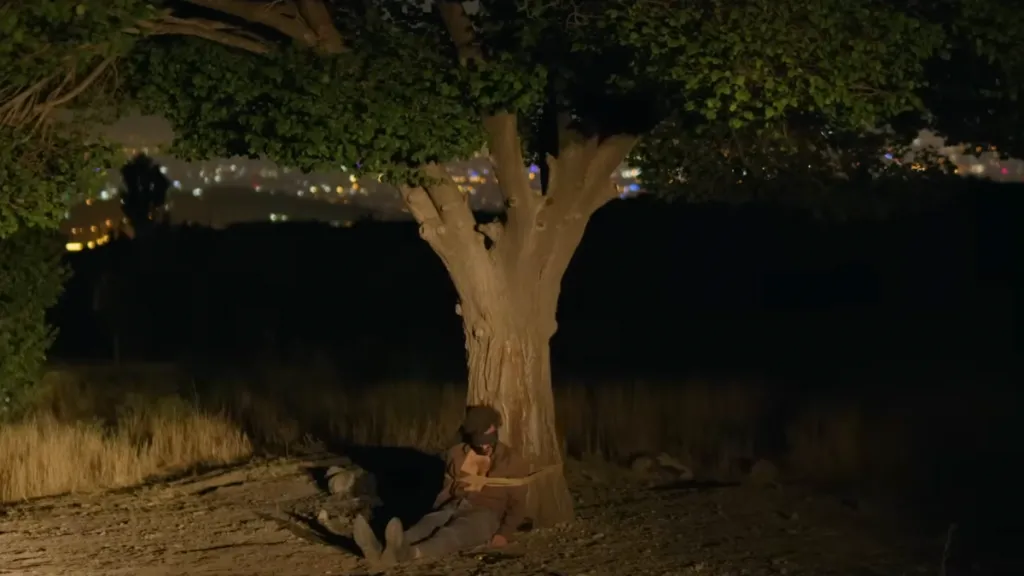
The movie’s final shot, in which the camera follows our protagonist as he packs his car with his belongings until a noise shatters his concentration, is a sequence that suspense master Alfred Hitchcock would not have directed any better.
According to Etminan, the length of that concluding shot was in flux right up until the film’s world premiere.
“We were thinking a lot about how to stabilize the feelings and emotions in that scene,” he said. “In the end, we made the decision to cut a bit earlier than what we’d planned during the filming. We were working on it just days before the screening in Cannes.”
The movie also contains subtle, invisible cuts during long takes, which were carefully sculpted by Panahi and Etminan while filming. An editor by trade, Etminan is also skilled in the arts of documentary filmmaking, color correction and visual effects.
“There are some little tricks, so that’s usually it is not visible,” Etminan said. “We had a situation with a long take where the camera would turn back and forth between the characters. And Mr. Panahi would ask if the camera could just go back and forth once. So my job is to take the footage and prepare it so it all works.”
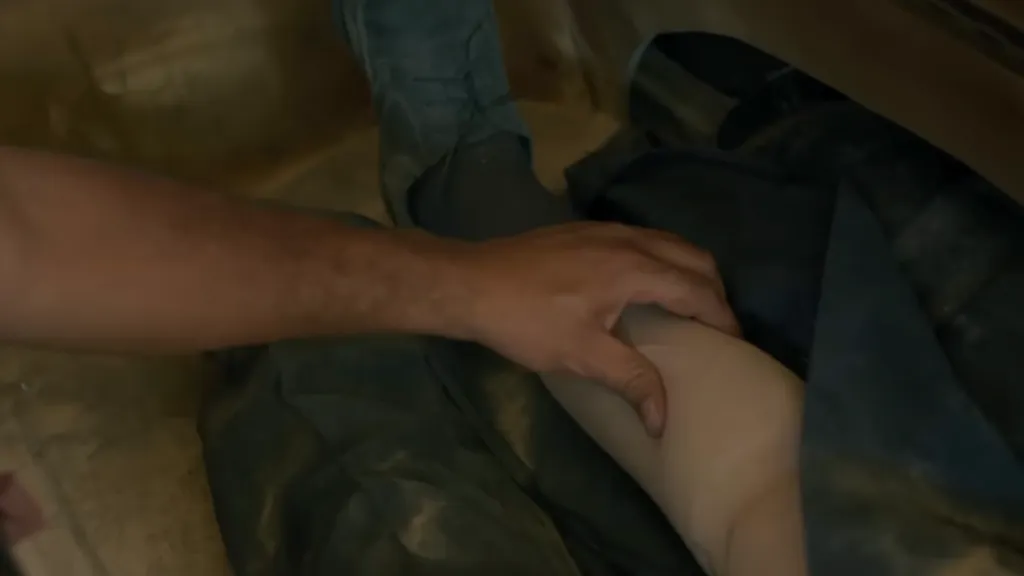
The editing started during the shoot in Iran and completed later in France. Etminan, who has lived in Istanbul for the last four years, has not been back to his home country since he visited to request a visa to travel to Cannes last May. But he’s thrilled by the global reaction the film has received.
“Each film is like our baby, and when it grows, when it starts to walk, when it goes to university, it’s just a pleasure to see that it works by itself,” he said. “It’s become it’s own independent thing and that’s been wonderful to see.”
He added, “But at the same time, for us, the film is not entertainment. Is an instrument of fighting, fighting for our right and talking about ideas and about a subject that is important for us. So I see the film’s success as a tool for giving more voice to this fight, to this protest. The success will make it more accessible to more people to think about this subject.”
The post ‘It Was Just an Accident’ Film Editor on Crafting the Pace and Tension of a Political Thriller appeared first on TheWrap.