This is an edition of The Atlantic Daily, a newsletter that guides you through the biggest stories of the day, helps you discover new ideas, and recommends the best in culture. Sign up for it here.
The president took a few moments out of his scattershot address to the nation last night to shield his party from blame over high health-care costs. If federal subsidies for the Affordable Care Act lapse at the end of the year, premiums may rise for more than 20 million Americans, dramatically worsening the affordability issues that are now top of mind for both parties. “It’s the Unaffordable Care Act,” Trump said. And a health-care system in crisis is “the Democrats’ fault.”
In fact, Democrats have consistently pushed to extend the subsidies; it was House Speaker Mike Johnson who said on Tuesday that the House would not vote on whether to continue funding the credits before the House’s holiday recess. Yesterday, a few GOP dissenters lent their signatures to a Democrat-led effort to force a vote, but they were outflanked by party members who oppose the credits (mostly on grounds that it costs too much and enables insurance fraud). Even if the House did put it to a vote before current funding for the subsidies expires on December 31, the Senate has already rejected the plan. Barring some drastic intervention, health-care costs will go up.
A month ago, House Minority Leader Hakeem Jeffries predicted that either those subsidies would be renewed “or the American people will throw Republicans out of their jobs next year and end the speakership of Donald J. Trump once and for all.” His theory is about to be tested. When funding lapses in the new year, some Americans will see their costs double or triple. The average affected enrollee will see their costs rise by more than $1,000 annually. An education consultant in Chicago told NPR that her plan would increase from $180 a month to $1,200 a month. Many enrollees may no longer be able to pay for coverage at all; nearly 5 million people could become uninsured. An Ohio family said on MS NOW that because their new plan would cost $1,500 monthly with a $15,000 deductible, they are having to forgo coverage altogether. At a moment when the majority of Americans are dissatisfied with Trump’s stewardship of the economy, millions could soon be hit with a huge new expense.
That’s when the second part of Jeffries’s prediction starts to kick in. The 2026 midterms are almost a year away, so there’s plenty of time for public opinion to rebound—but as of now, Americans trust Democrats more than Republicans to handle the economy, per PBS, and the cost of living remains the top priority for Republicans and independents ahead of the midterms. Backlash to the Republican stance on the Affordable Care Act contributed to House Democrats’ resurgence in the 2018 midterms. Now GOP lawmakers will have to contend with the possibility that it could happen again.
During the recent government shutdown, which was largely caused by disagreements over whether to extend the ACA credits, Marjorie Taylor Greene, the far-right Georgia representative and former Trump ally, broke rank. “When the tax credits expire this year my own adult children’s insurance premiums for 2026 are going to DOUBLE, along with all the wonderful families and hard-working people in my district,” she wrote in October. Among the four centrist Republicans who defied Johnson yesterday by signing a Democrat-led discharge petition was Michael Lawler, the first Republican to represent his New York district since the early 1980s (he’s up for reelection next year). Also on the list is Brian Fitzpatrick, a representative for a battleground district in Pennsylvania. “I know my people back home care tremendously about this,” he said last week.
That sentiment extends well beyond Pennsylvania. Recent polling shows that 57 percent of Americans support the Affordable Care Act, and 74 percent support extending the credits. Responding to broader concerns about health-care costs, Trump recently unveiled TrumpRx, a new initiative to let consumers buy drugs directly from manufacturers at lower prices. But that can only do so much to offset a major insurance-premium spike. Health care involves more than just drugs—decreasing the sticker price for weight-loss and migraine medications won’t do much to cover a trip to the hospital for a broken leg.
Another tactic the administration is considering is simply handing out checks, which could help mitigate the impact of those expiring subsidies. In his speech yesterday, Trump announced a onetime bonus of $1,776 for all members of the military, and he has contemplated sending every American a neat sum of $2,000—part of his doubling down on affordability messaging. But these are Band-Aid solutions to long-term problems that have been exacerbated over the past year. Trump’s tariffs have played a large role in raising prices on all kinds of consumer goods. When the health-care cutbacks of the One Big Beautiful Bill Act go into effect next year, millions of Americans could be forced off Medicaid, opening them up to sky-high hospital bills. And even though Trump hasn’t spearheaded the fight against health-care credits, he said last month that he’d “rather not” extend them.
If insurance premiums rise, they will do so on Trump’s watch. Although it’s too early to know how that will affect next year’s midterms, come January, the affordability crisis could get even worse—and the GOP will have to confront its choices.
Related:
Here are three new stories from The Atlantic:
- Why the Brown University shooter is still at large
- Australia’s grand social-media experiment
- Tom Nichols: This is what presidential panic looks like.
Today’s News
- The U.S. military said yesterday that it killed four people in its latest strike on a boat suspected of drug trafficking in the eastern Pacific, bringing the death toll from the campaign to at least 99 since September.
- The Trump administration said that the federal government will cut hospitals off from Medicare and Medicaid if they provide transgender care, such as puberty blockers and surgeries, to minors.
- President Donald Trump signed an executive order fast-tracking the reclassification of marijuana from a Schedule I to a Schedule III drug, easing federal restrictions.
Dispatches
- Time-Travel Thursdays: James Garfield is often portrayed as a good man in an age of bad governance, but the real story was a little more complicated, Jake Lundberg writes.
- The Weekly Planet: The Trump administration says it will dismantle a premier climate center, while somehow keeping weather forecasting intact, Michelle Nijhuis writes.
Explore all of our newsletters here.
Evening Read
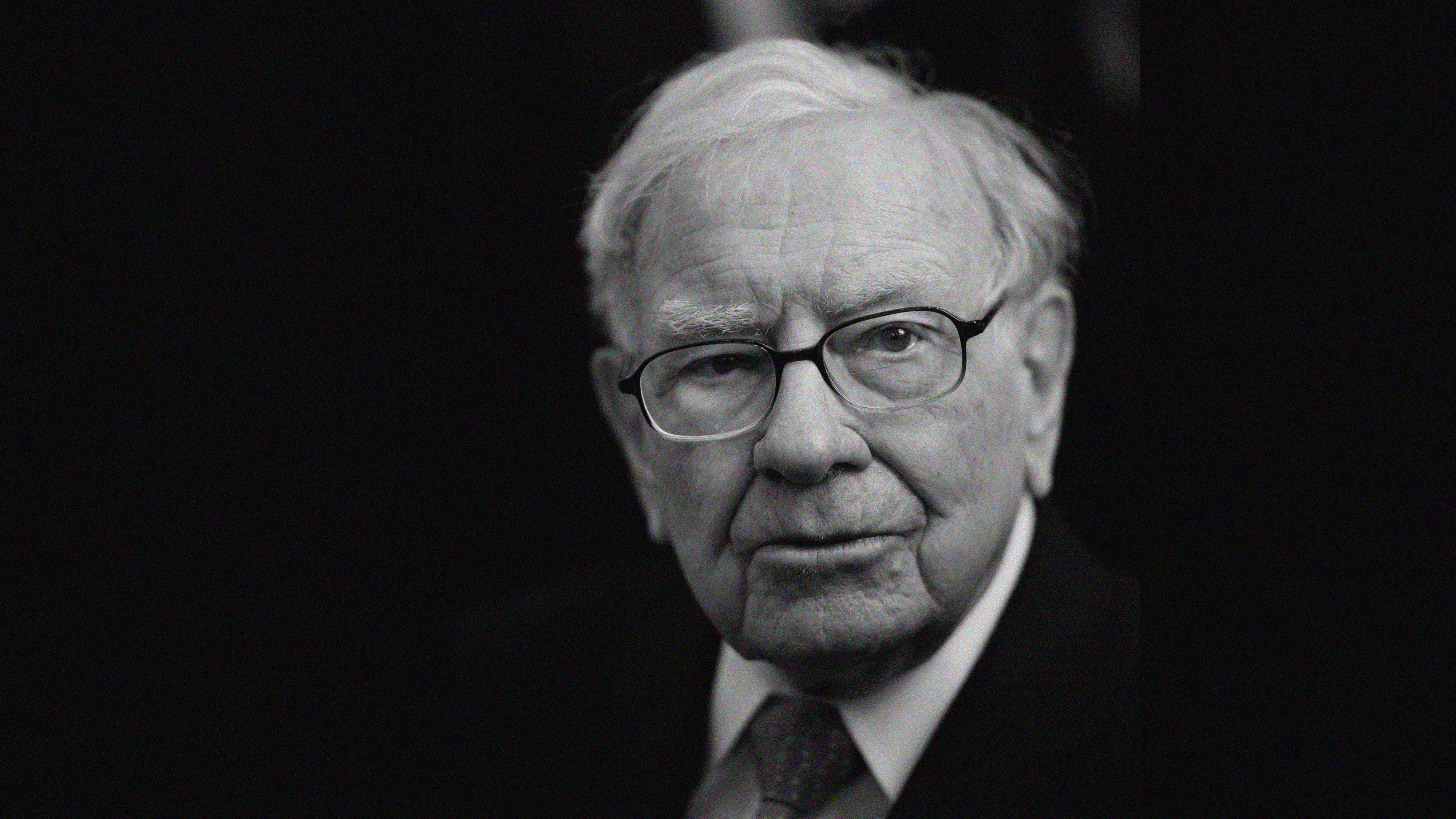
How Warren Buffett Did It
By Seth A. Klarman
Warren Buffett has long been known and admired around the world for doing something that is, at its essence, mundane. He is not a brilliant artist or a great inventor or a record-setting athlete. Instead, his brilliance—a low-key, midwestern type of brilliance—found expression in the prosaic art of investing: buying this stock and avoiding that one. Buffett himself has called this task “simple, but not easy.” While millions upon millions of people buy and sell investments every day, no one has a record of doing it better than he has, as consistently as he has, and for as long as he has.
More From The Atlantic
- Guess the real “Presidential Walk of Fame’ plaque
- Arthur C. Brooks: What I wish I’d known when I was younger
- Measles’ most deceptive trait
- What’s behind the ISIS attack in Syria
- Radio Atlantic: ISIS never really went away.
- The “filthy little slum child” who remade the American right
Culture Break

Explore. Lindsey Vonn and Philip Rivers show what can happen when athletes keep competing into their 40s, Sally Jenkins writes.
Read. In his newest book, Joe Sacco worries about what political violence might lead to, Robert Rubsam writes.
Rafaela Jinich contributed to this newsletter.
When you buy a book using a link in this newsletter, we receive a commission. Thank you for supporting The Atlantic.
The post Millions of Americans May Soon Face Huge Costs appeared first on The Atlantic.