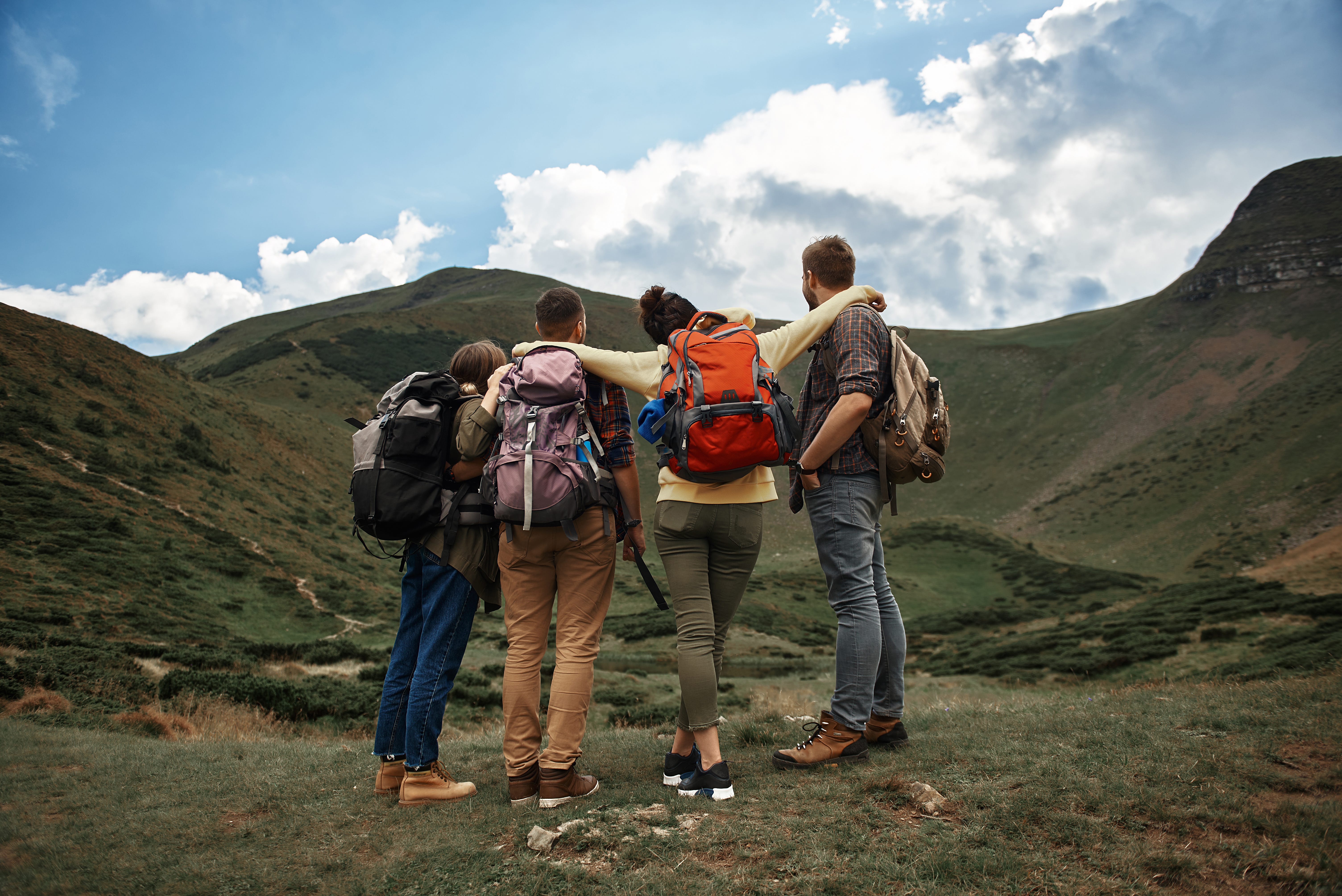
The run clubs that took off in the past few years were outpaced by hiking.
That’s according to new data from Strava, a fitness tracking app, and AllTrails, a hiking navigation app.
Strava’s end-of-year report, analyzing data from over 30,000 users, found that hiking clubs grew sixfold in 2025 — nearly double the pace of run clubs. In 2025, AllTrails saw a 20% increase in users (i.e., people who created an account on the app) to 90 million.
Online, you can find hiking clubs for seemingly every preference, whether you’re a creative in LA looking for a morning workout, a woman who doesn’t want to hike alone in North Carolina, or a “hot girl” on the hunt for new travel companions.
While run clubs are still popular, hiking and walking have an advantage: simplicity. They offer similar health benefits and social perks — without requiring the same stamina or potentially pricey gear.
A pandemic trend that keeps peaking
COVID lockdowns famously drew people to the outdoors, whether they joined run clubs or sought out nearby hikes.
And then there were National Parks, which experienced a surge of visitors since 2020 during the pandemic — and don’t seem to be losing their allure. According to the National Parks visitation data, 2024 broke the record for the highest number of visitors of all time at over 331 million, a 28% increase since 2020.
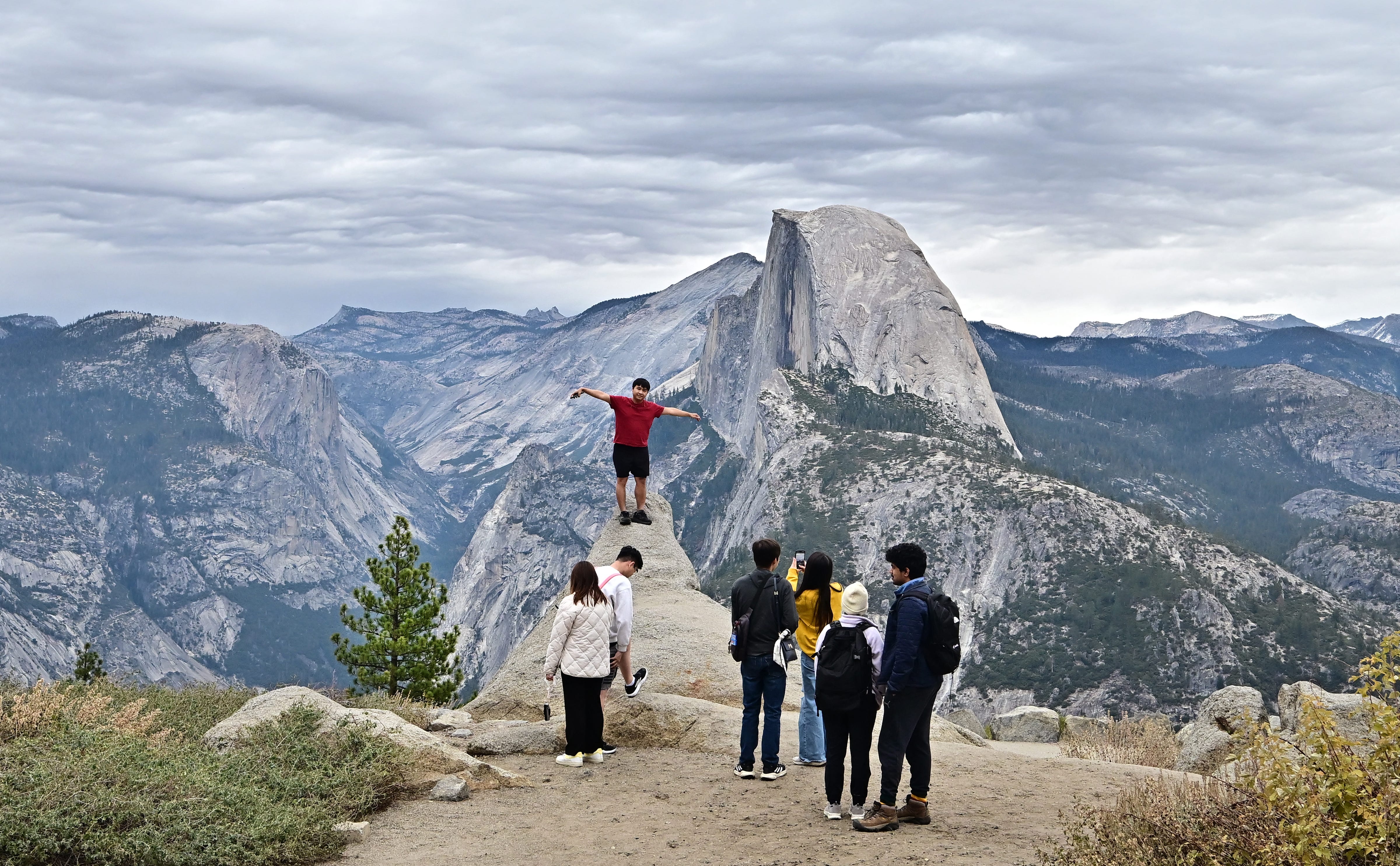
Five years after the pandemic, National Parks continue to be popular destinations. “When you start looking at that number as feet on the trail, bodies in the visitor’s center, cars on the road, you see that the parks have exploded,” Jason Frye, a hiking writer who most recently published a National Parks guidebook, told Business Insider. Strava reported that hiking was the second most popular reason for traveling, behind winter sports.
Carly Smith, chief marketing officer for AllTrails, said its data shows many hikers search for locations over 200 miles from their home. “So we know that people are using us for planning travel and then for navigating and exploring National Parks and other destinations,” she said.
Smith believes part of the reason hiking and National Parks continue to be hot is that, for many, life still hasn’t changed all that much since the peak-remote work pandemic years. “There are more people working remotely than there were in the past,” she said. “Hiking clubs in particular can give people a good sense of community in ways that maybe they aren’t finding in other parts of their life.”
A more approachable workout
Running isn’t the cardio workout for everyone. It’s also not the only — or best — way to burn fat.
While sprinting at a very fast pace (zone 4 or zone 5) is great for your heart health, it consumes more carbs than fat compared to a brisk walk or light jog.
Hiking long distances with a heavy backpack can help hit two goals: shedding fat while building muscle.
That’s partly why rucking, or walking with weights, became a buzzy fitness trend last year. We saw a boom in networking events where people chat shop while breaking a sweat.
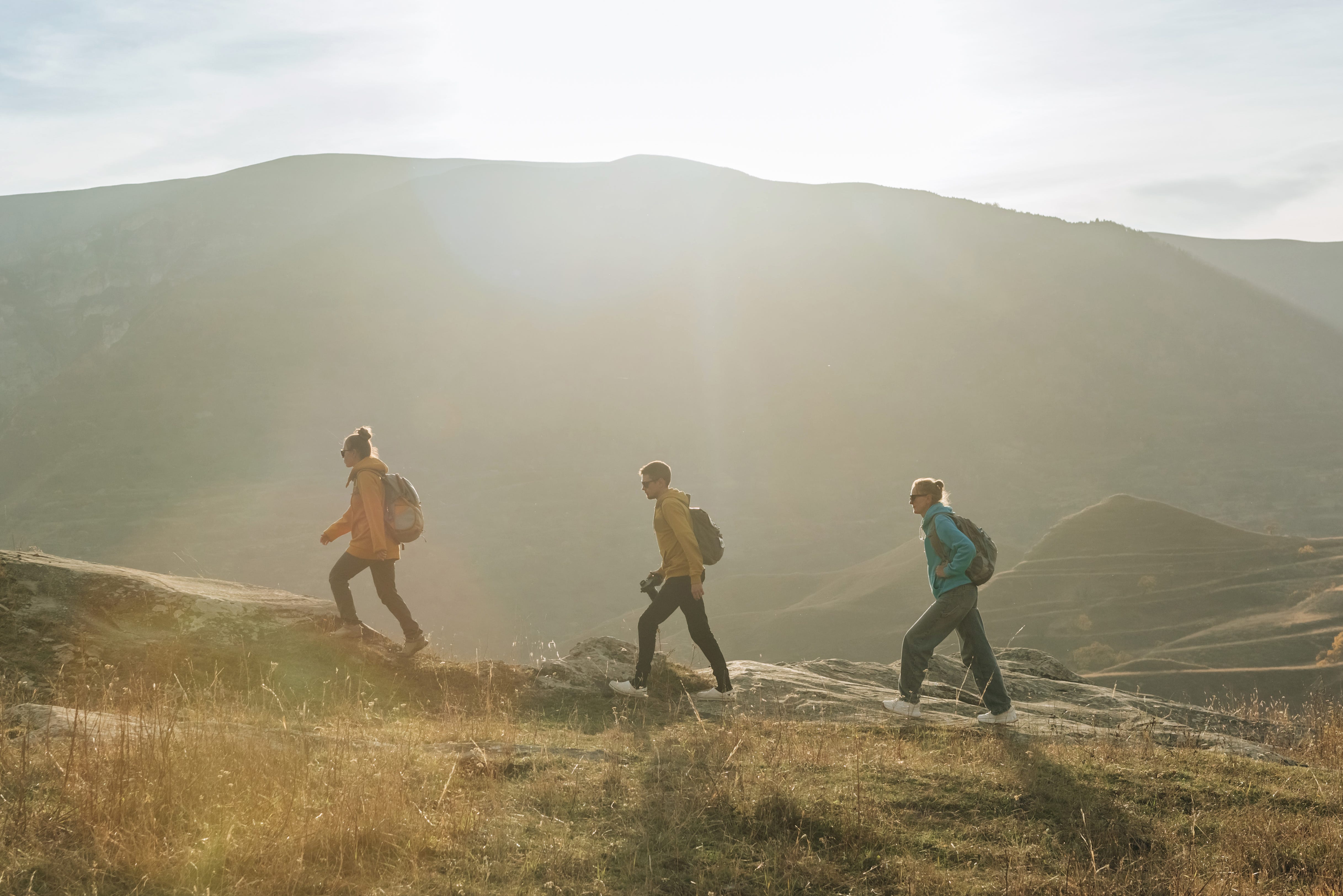
Price-wise, hiking, rucking, and walking also more financially accessible than joining a luxury gym. Weighted vests, the walking accessories du jour, cost about $30-$40 on Amazon — though a backpack from GoRuck, one of the biggest players in this space, starts at $115.
Plus, in many cases, hiking and walking can be interchangeable: not all hikes have to be strenuous to count, making them less physically and financially daunting.
Frye, who lives in Wilmington, North Carolina, near Great Smoky Mountains National Park, said there are many hiking trails nearby that are “really walks in the woods more than true hikes.”
“You can hop out of the car and do it in your flip flops from most of them,” he said — no high-tech gear needed.
Yearning for low-stakes socializing
According to Strava’s report, walking was the second-most tracked activity in 2025, after running. Along with hiking, both activities can feel like a more low-stakes group activity than a seven-mile run.
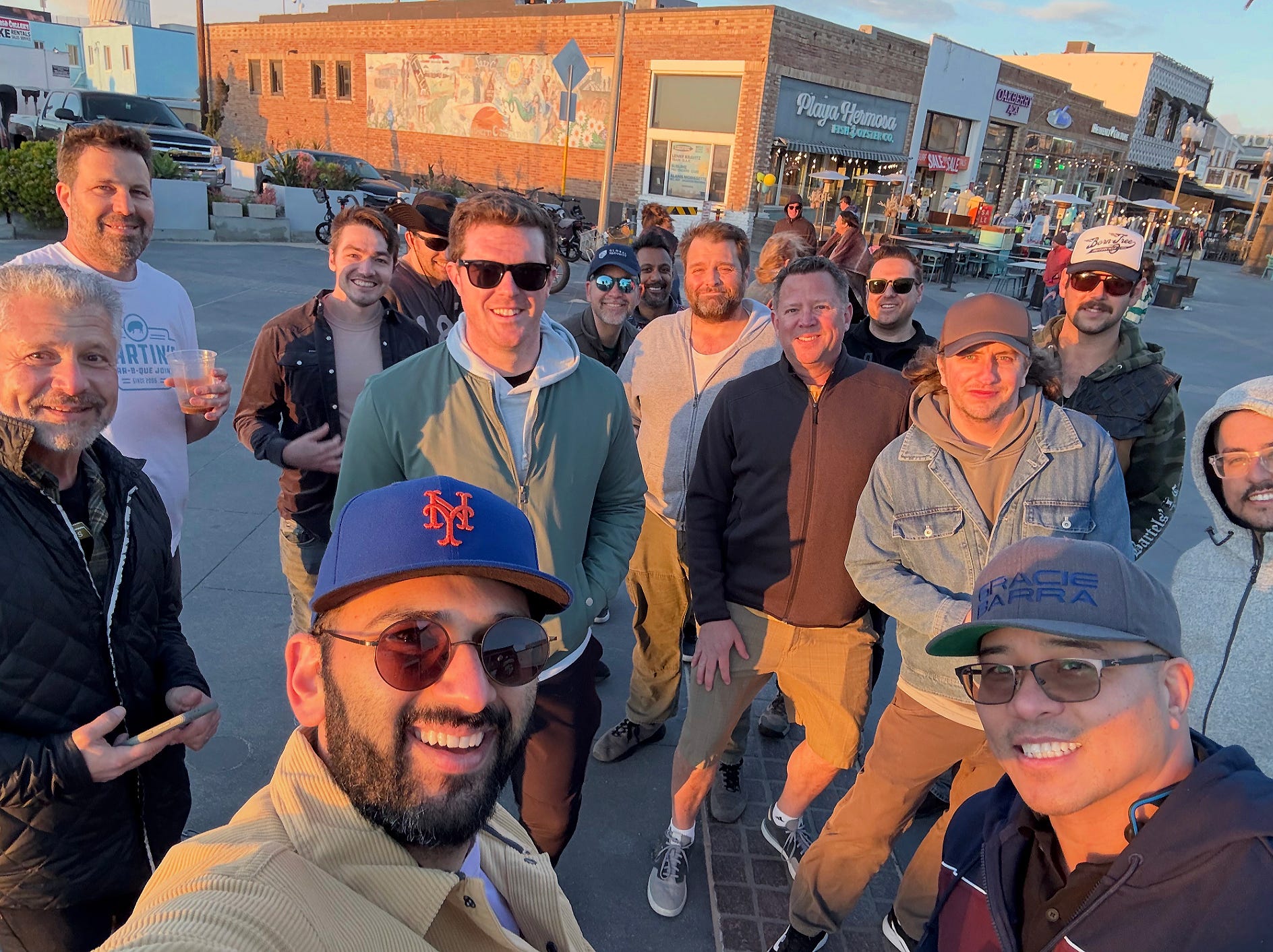
Jonathan Jacobs, who started a men’s walking group in LA this year, previously told Business Insider that the accessibility of walking made newcomers more likely to show up.
“Men who come to the walks repeatedly tell me that the low barrier to entry — no need to sign up or pay a fee to join — makes it easier for them to commit,” he said.
City dwellers who partook in walking Manhattan from “tip to tip” — another popular TikTok trend of the year — also cited it as a memorable (but still low-key) experience with their friends.
Frye believes the hiking hype is all part of the same phenomenon behind the renewed interest in dumb phones and old-school activities like pickling and crocheting.
“There seems to be this cultural shift, away from the digital and more toward the analog,” he said. “We’re looking at these ways to return to easier things, and it doesn’t get much easier than hiking.”
Read the original article on Business Insider
The post Walk, don’t run: The latest workout trend combines the great outdoors with low-stakes socializing appeared first on Business Insider.